Viewing Room Main Site
Skip to content
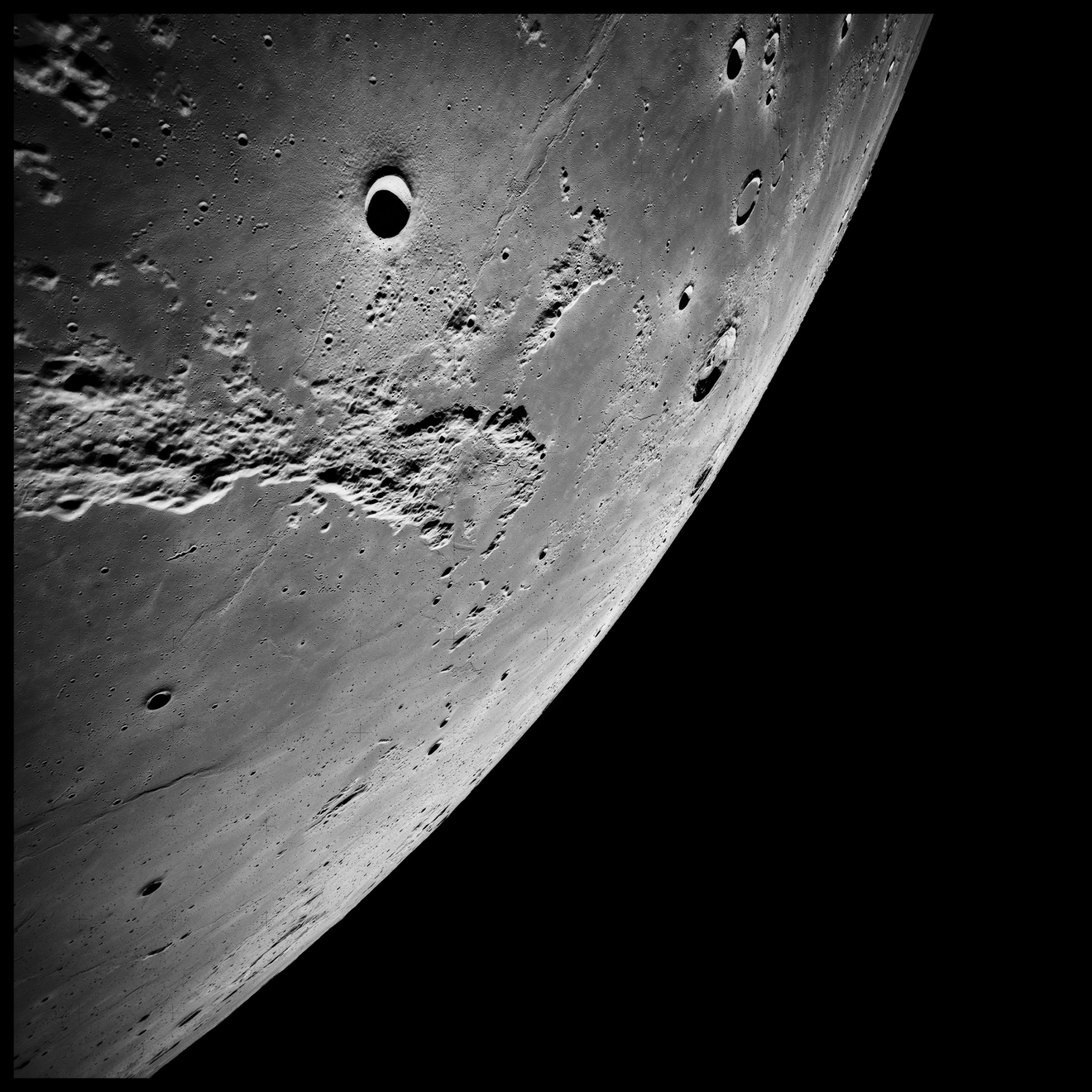
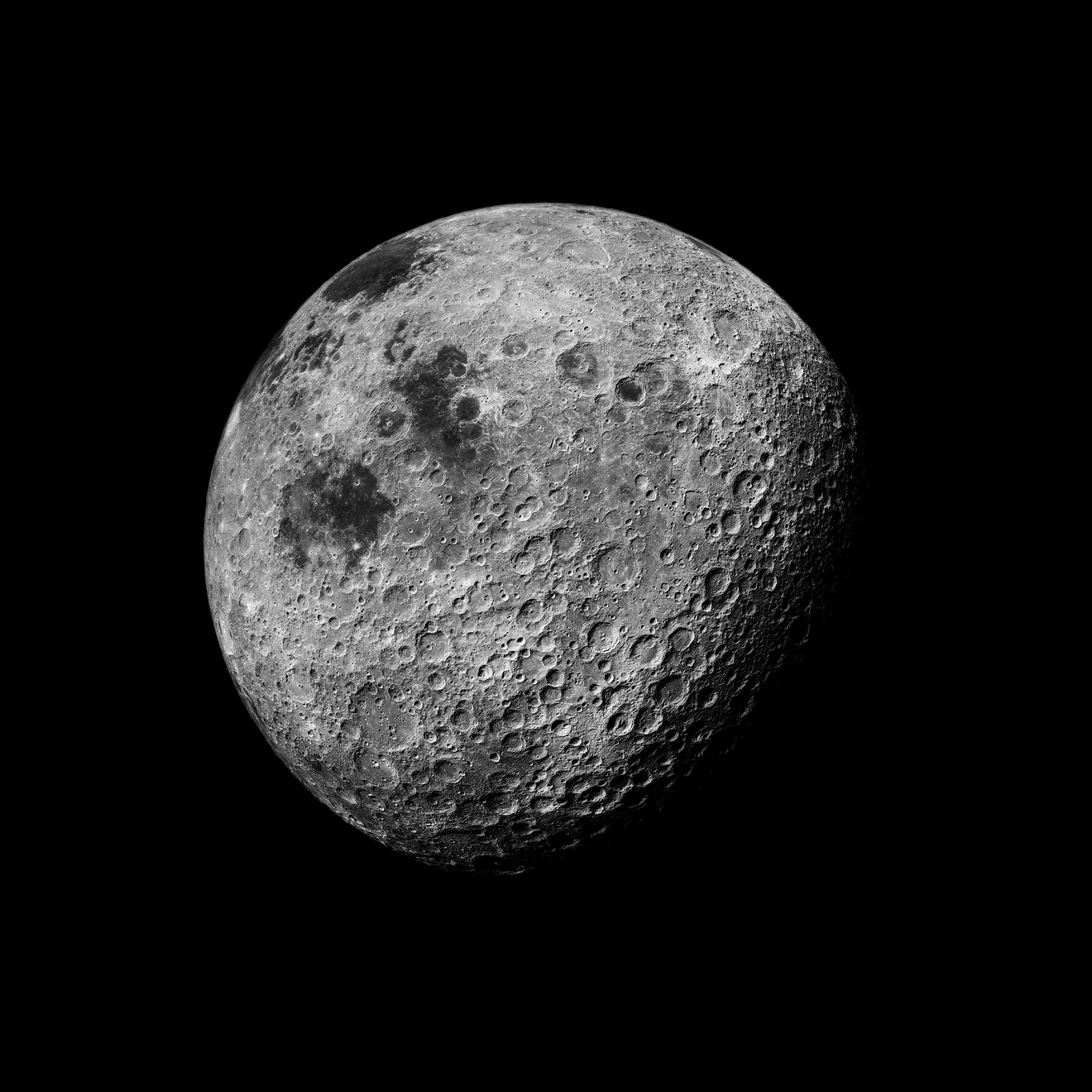
Southern Lunar Hemisphere, Homebound; , Photographed by Alfred Worden, Apollo 15, July 26-August 7, 1971
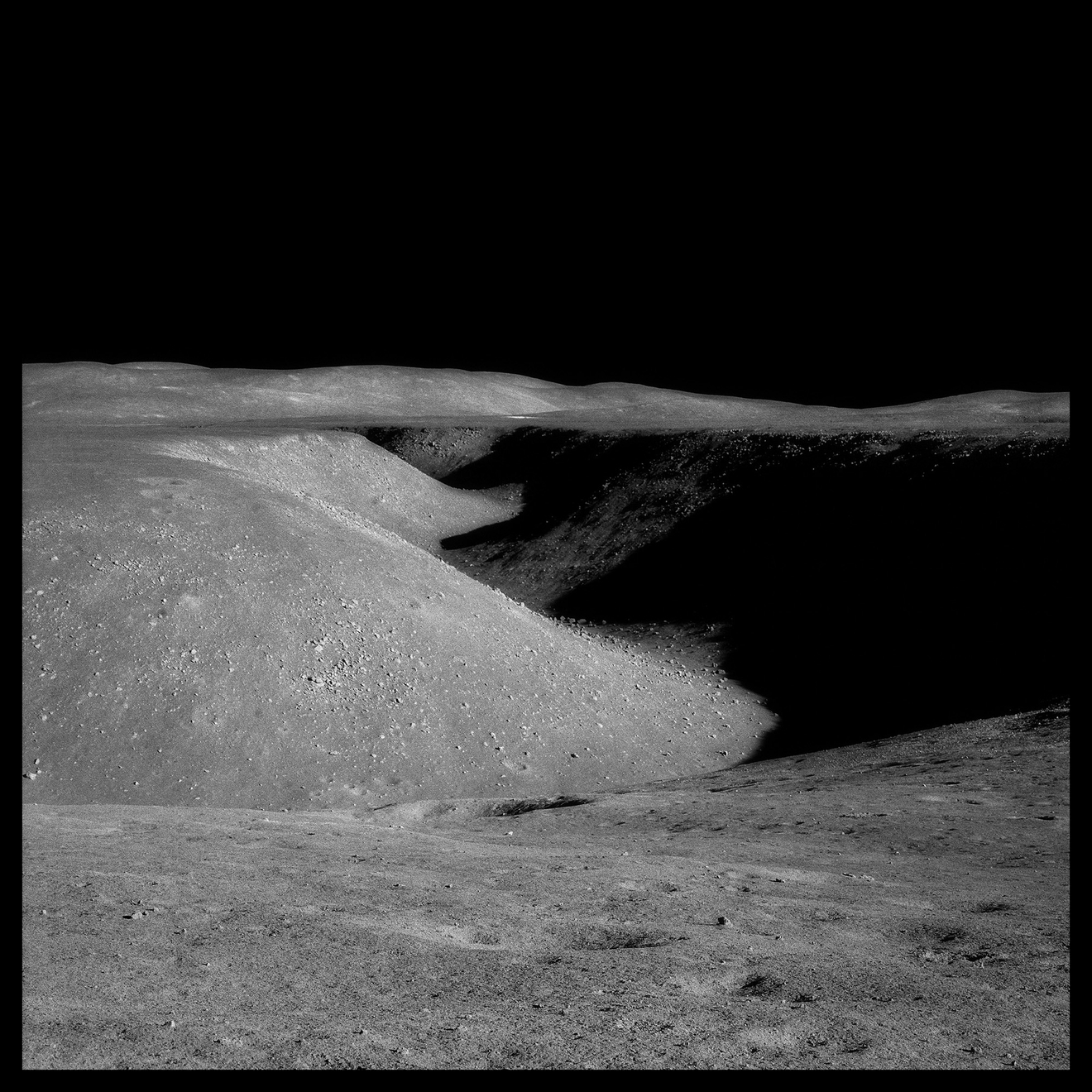
Hadley Rille: 80 Miles Long, 1 Mile Wide  and 1000 Feet Deep;, Photographed by James Irwin, Apollo 15, July 26-August 7, 1971
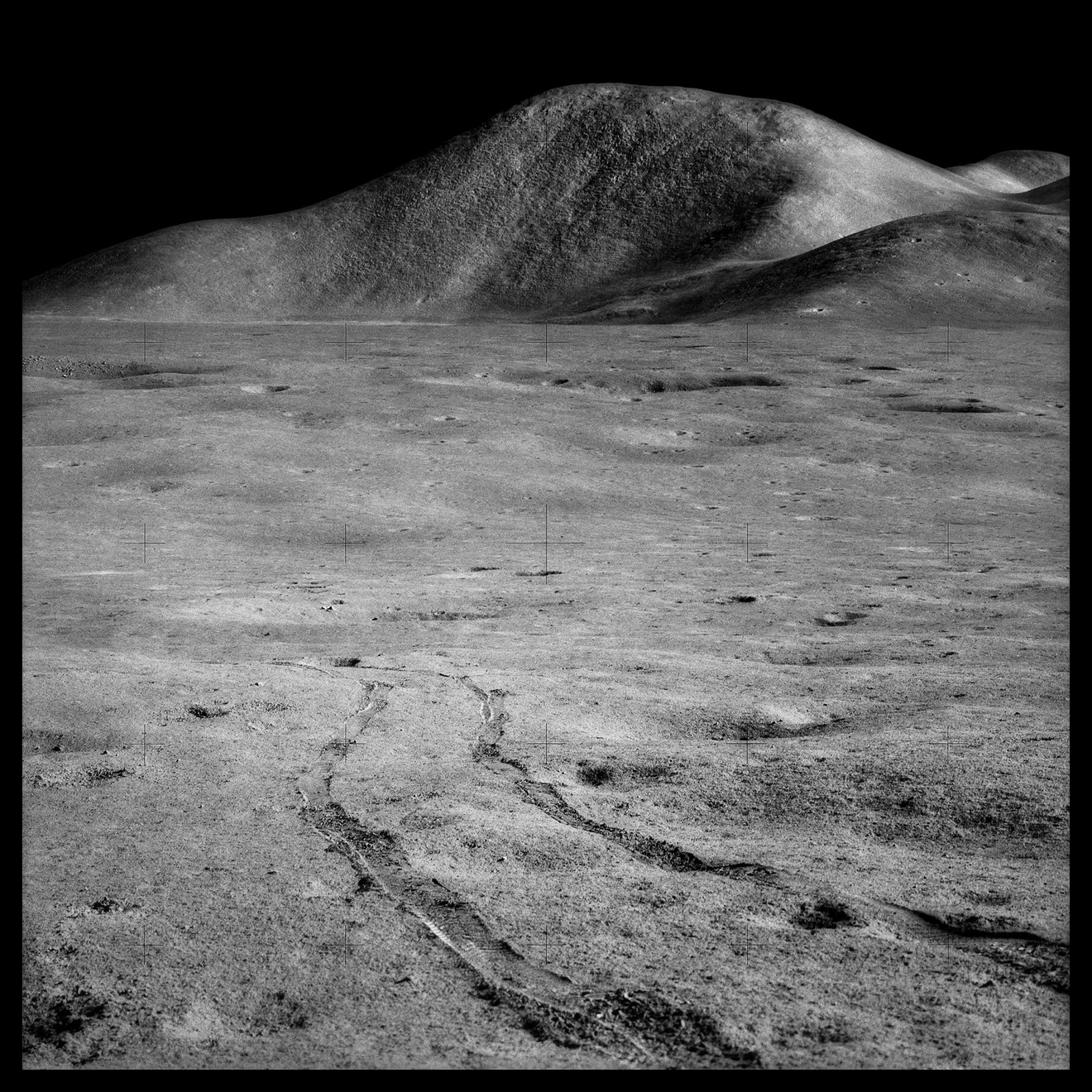
Rover Tracks and Mount Hadley Rising 15,000 Feet Over the Marsh of Decay;, Photographed by James Irwin, Apollo 15, July 26-August 7, 1971
The Ocean of Storms and the Known Sea;, Photographed by Kenneth Mattingly, Apollo 16, April 16-27, 1972
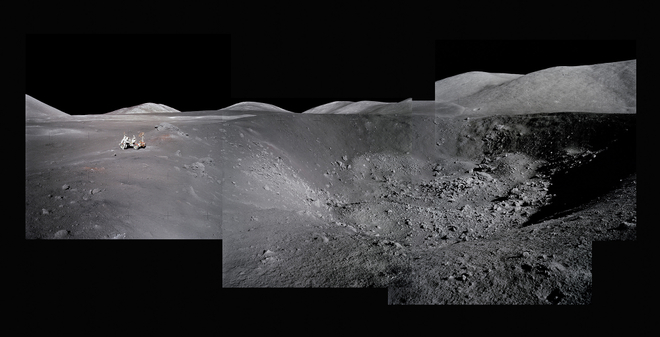
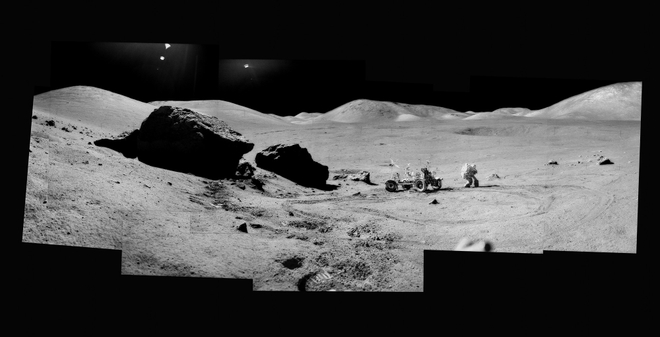
Composite of Harrison Schmitt at Shorty Crater; Note Orange Soil;, Photographed by Eugene Cernan, Apollo 17, December 7-19, 1972
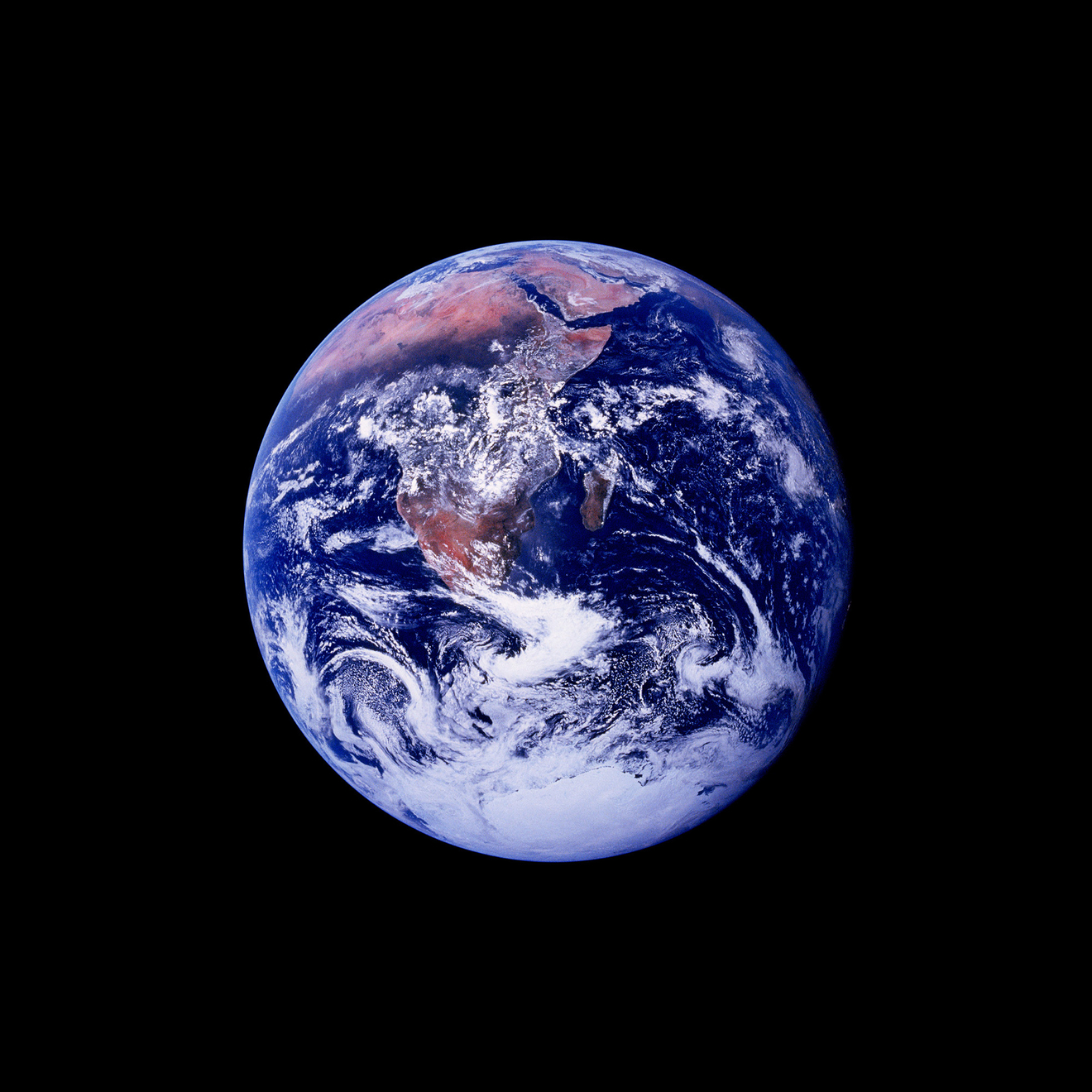
Whole Earth, Outbound; Photographed by Harrison Schmitt, Apollo 17, December 7-19, 1972, Archival Pigment on Canson Platine Fiber Rag
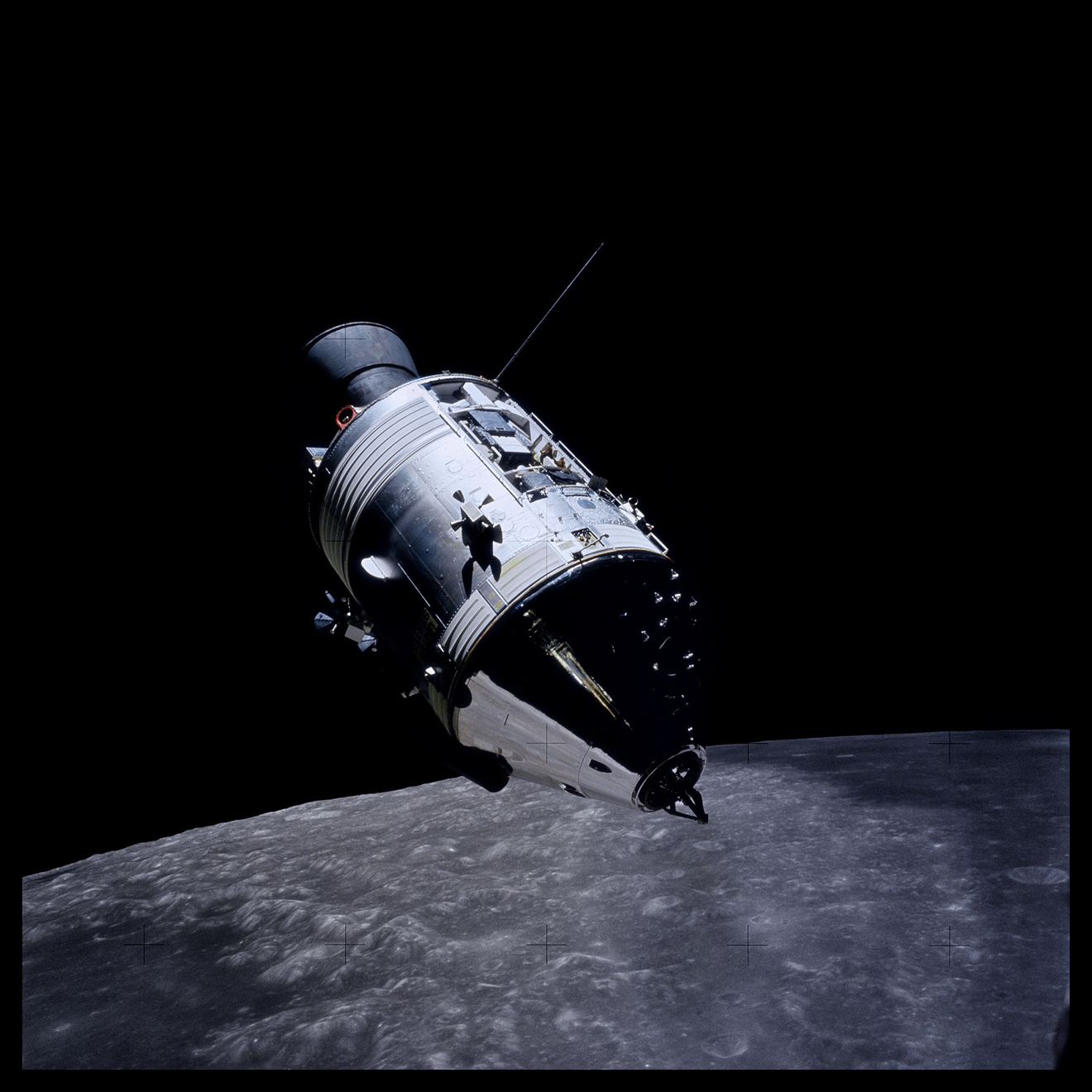
Command Module America From Lunar Module Challenger;, Photographed by Harrison Schmitt, Apollo 17, December 7-19, 1972
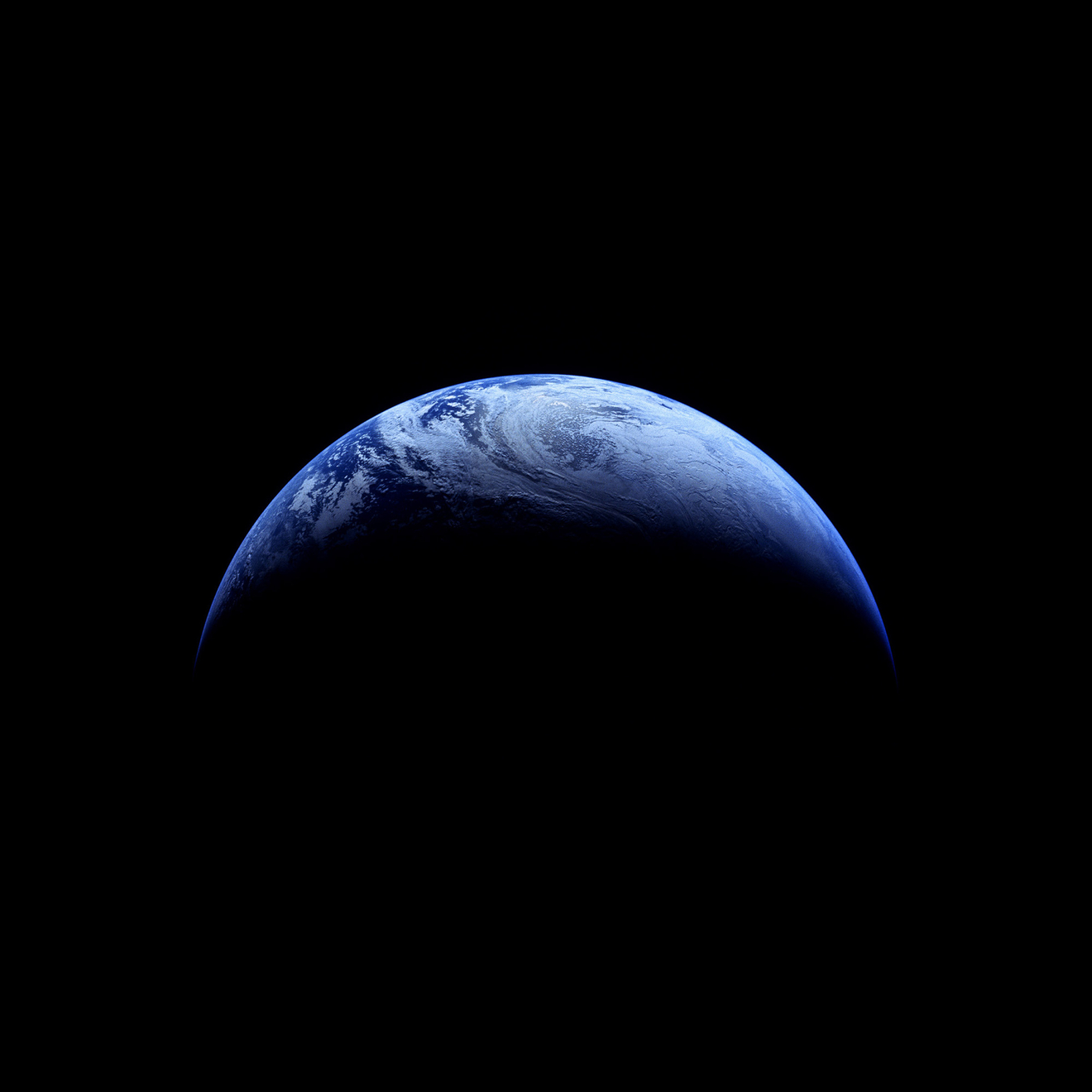
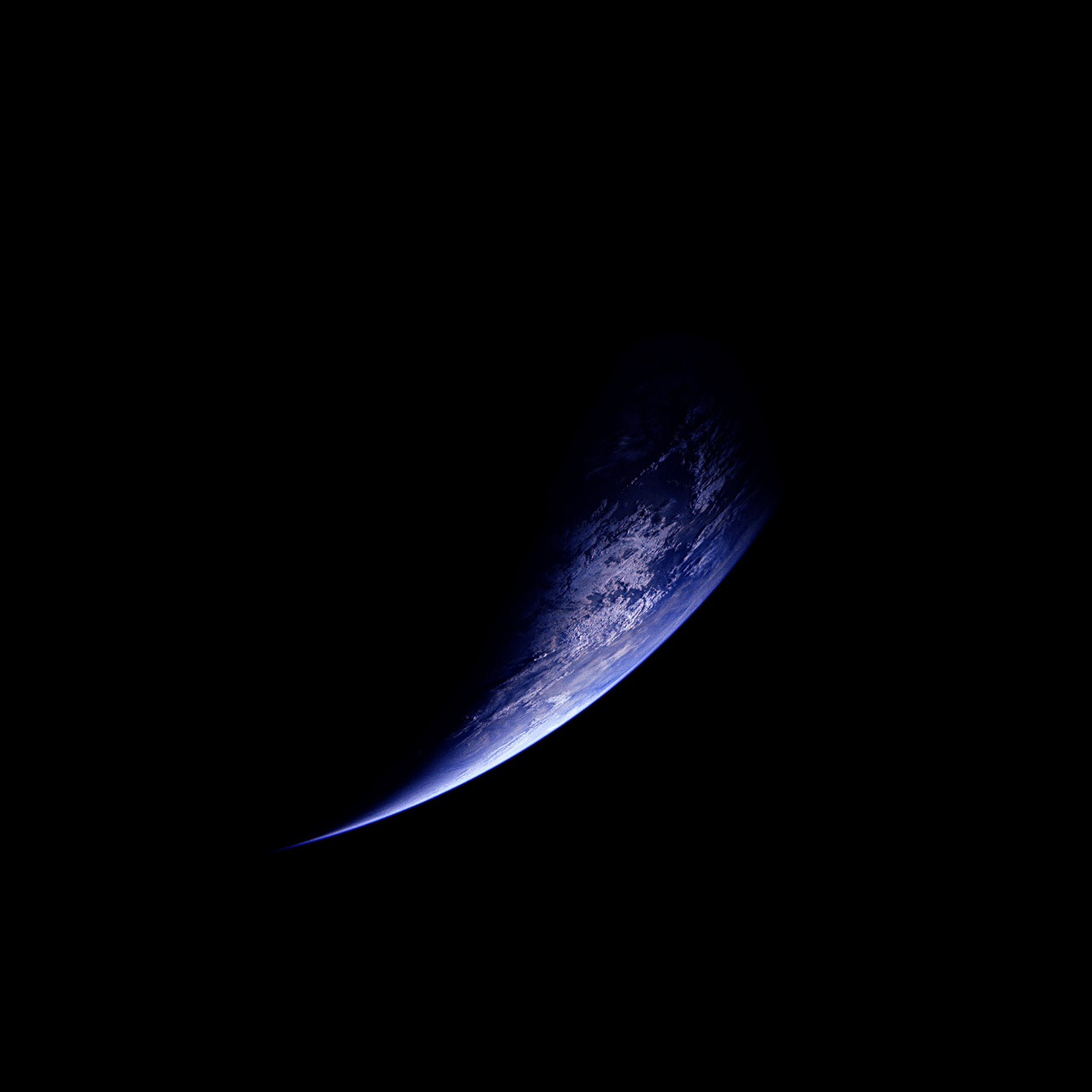
Crescent Earth; Photographed by Robotic Camera, Apollo 4 (Unmanned), November 9, 1967, Archival Pigment on Canson Platine Fiber Rag
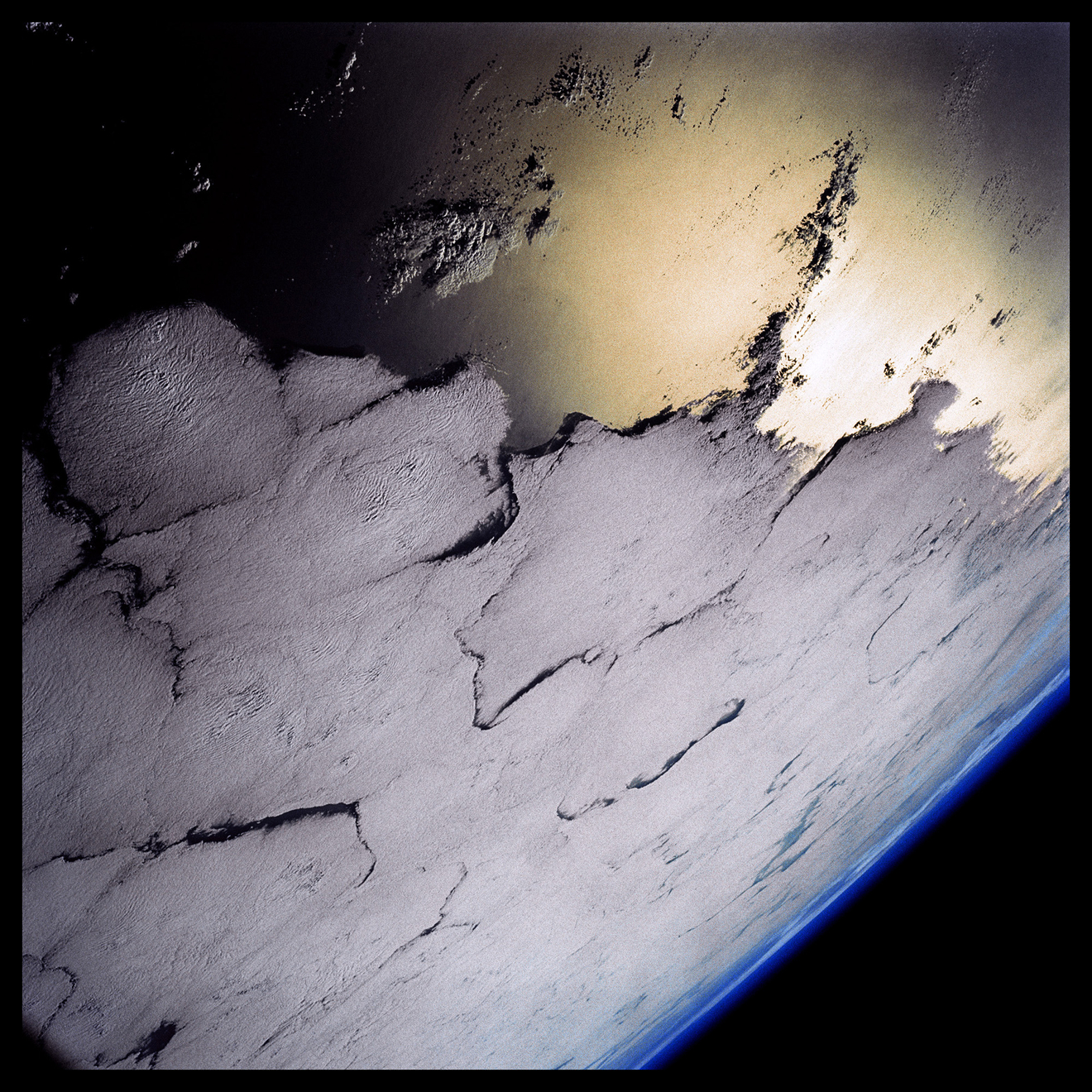
Stratocumulus Clouds 4,000 feet Above the Pacific Ocean;, Attributed to Ronald Evans, Apollo 17, December 7-19, 1972
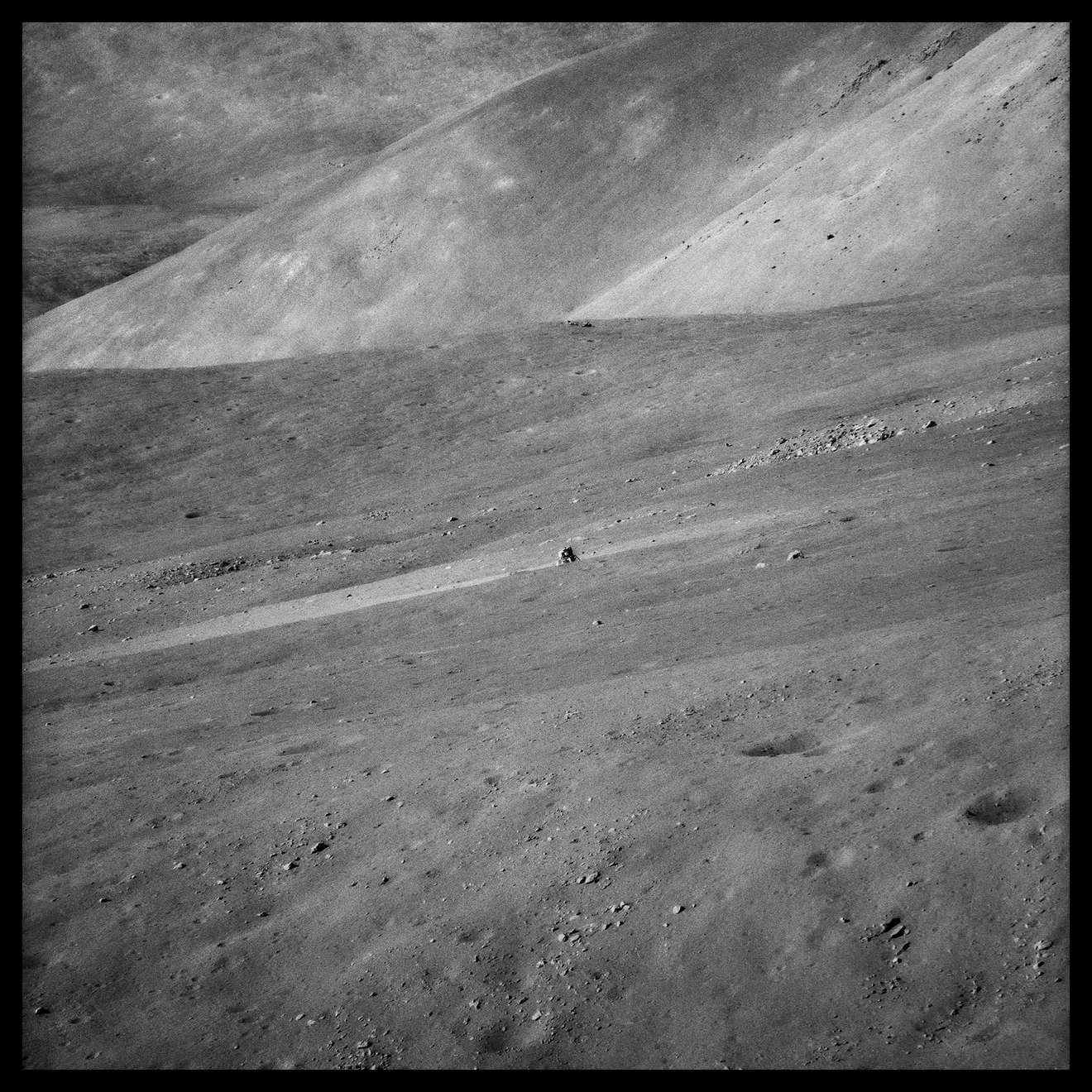
The Lunar Module Challenger Seen With a 500mm Lens, 2 Miles Distant; , Photographed by Eugene Cernan, Apollo 17, December 7-19, 1972
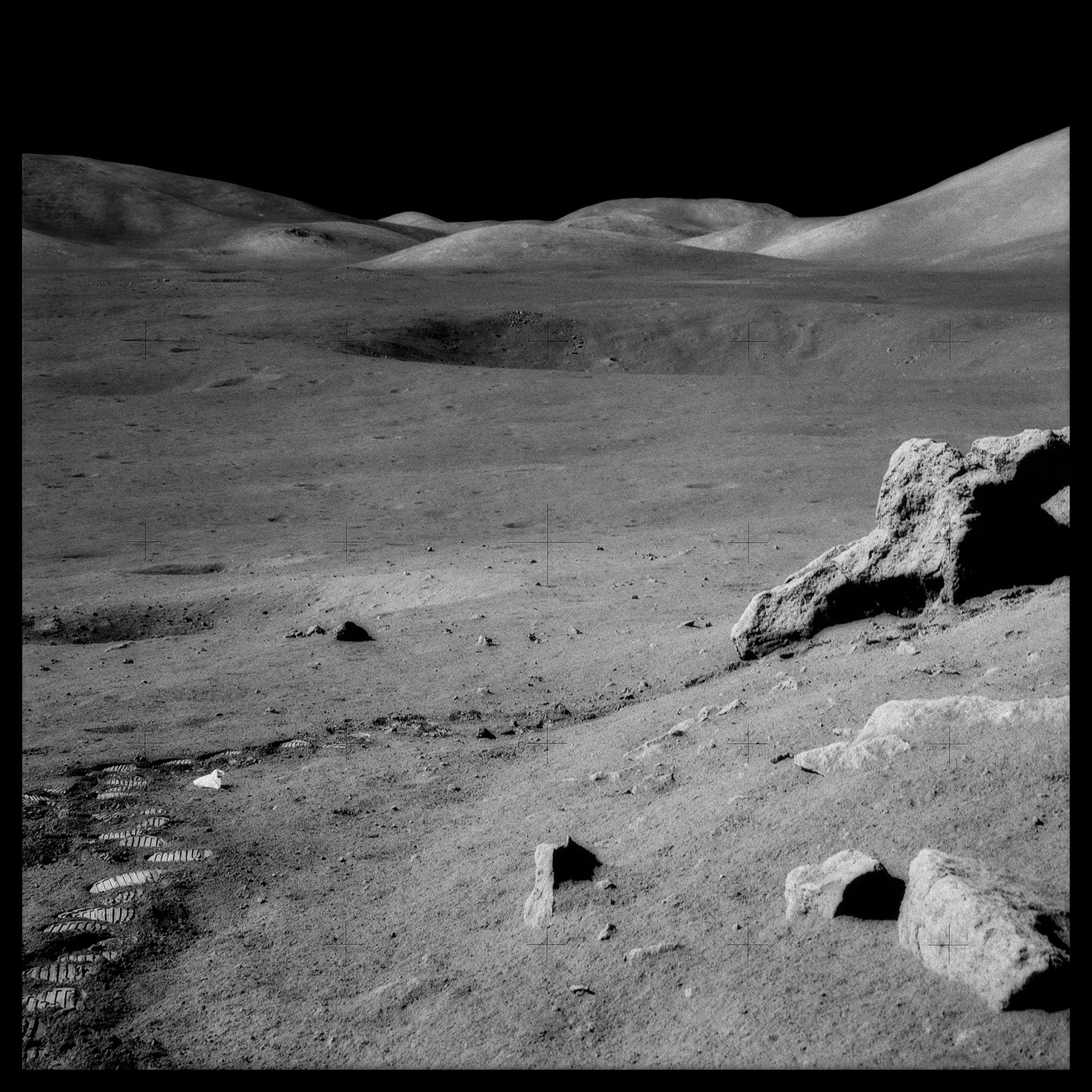
The Valley of Taurus-Littrow From Split Rock, With Trash and Footprints; , Photographed by Harrison Schmitt, Apollo 17, December 7-19, 1972
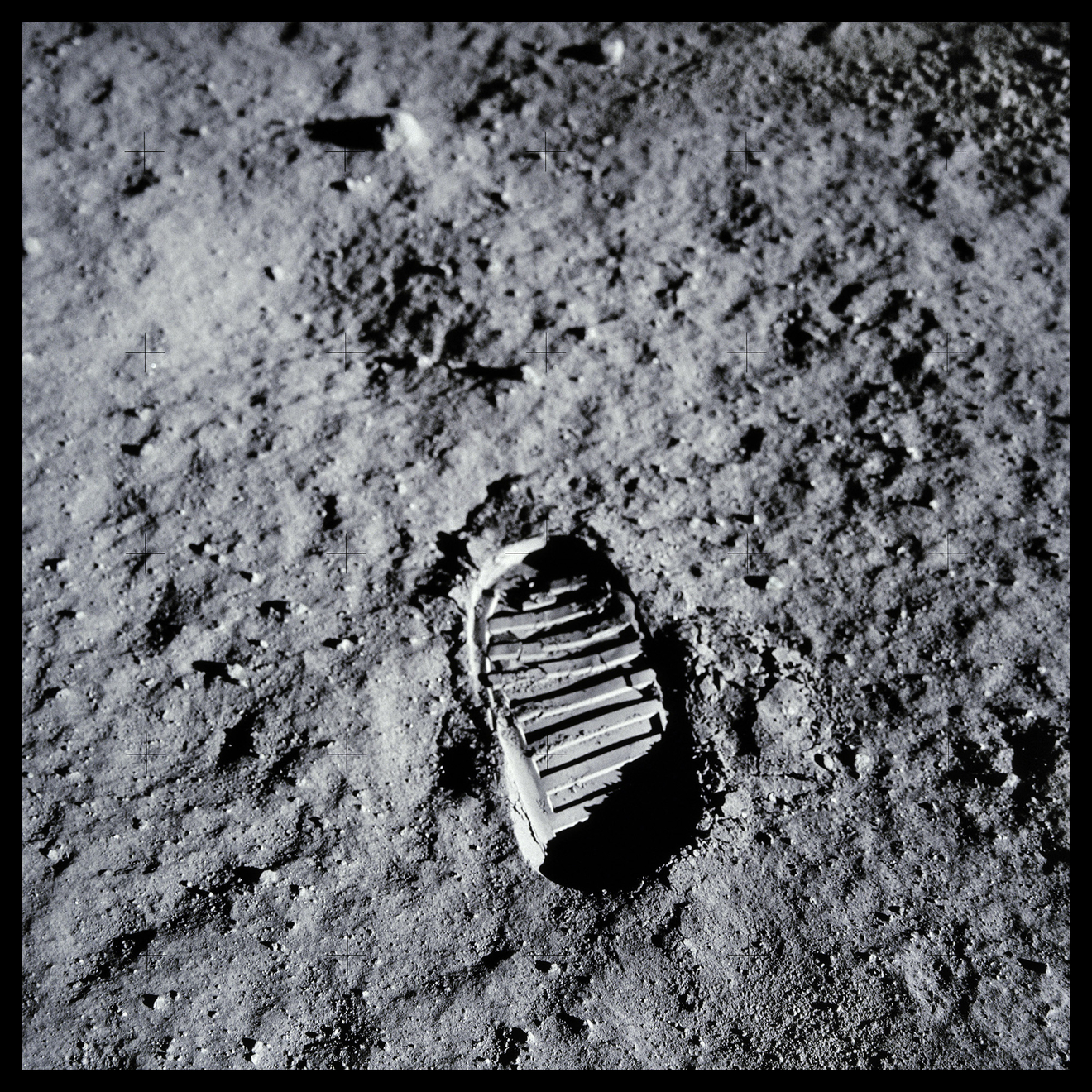
Post-Contact Lunar Soil, Imprinted for the Next 2 Million Years;, Photographed by Edwin "Buzz" Aldrin, Apollo 11, July 16-24, 1969
Earth Terminator, Coast of East Africa; Photographed by Michael Collins, Apollo 11, July 16-24, 1969, Archival Pigment on Canson Platine Fiber Rag
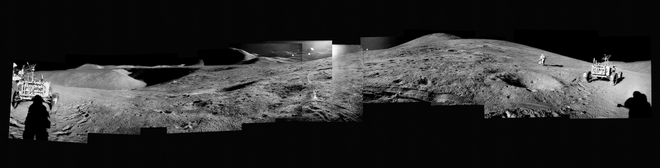
Composite of Eugene Cernan and the Lunar Rover At "Split Rock";, Photographed by Harrison Schmitt, Apollo 17, December 7-19, 1972
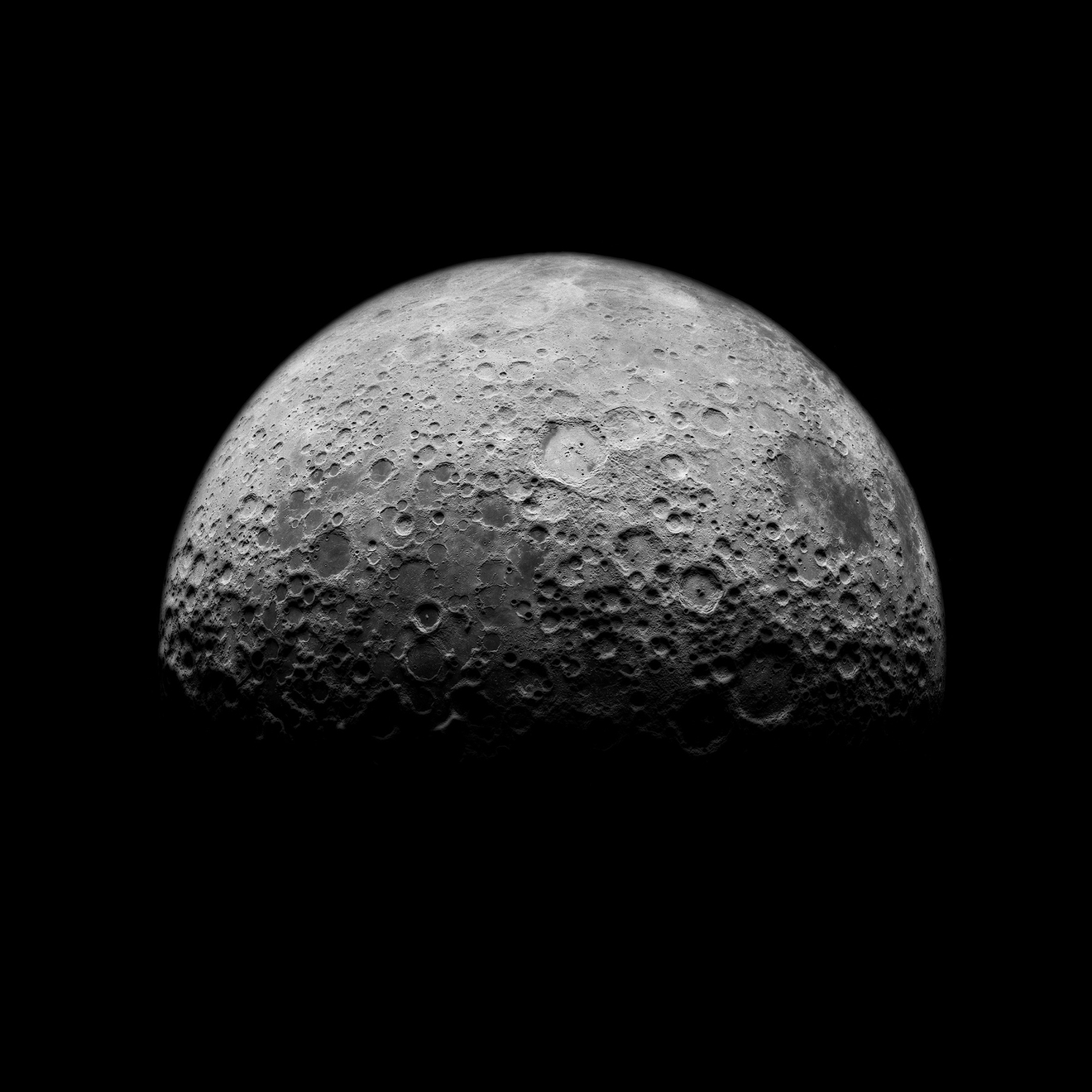
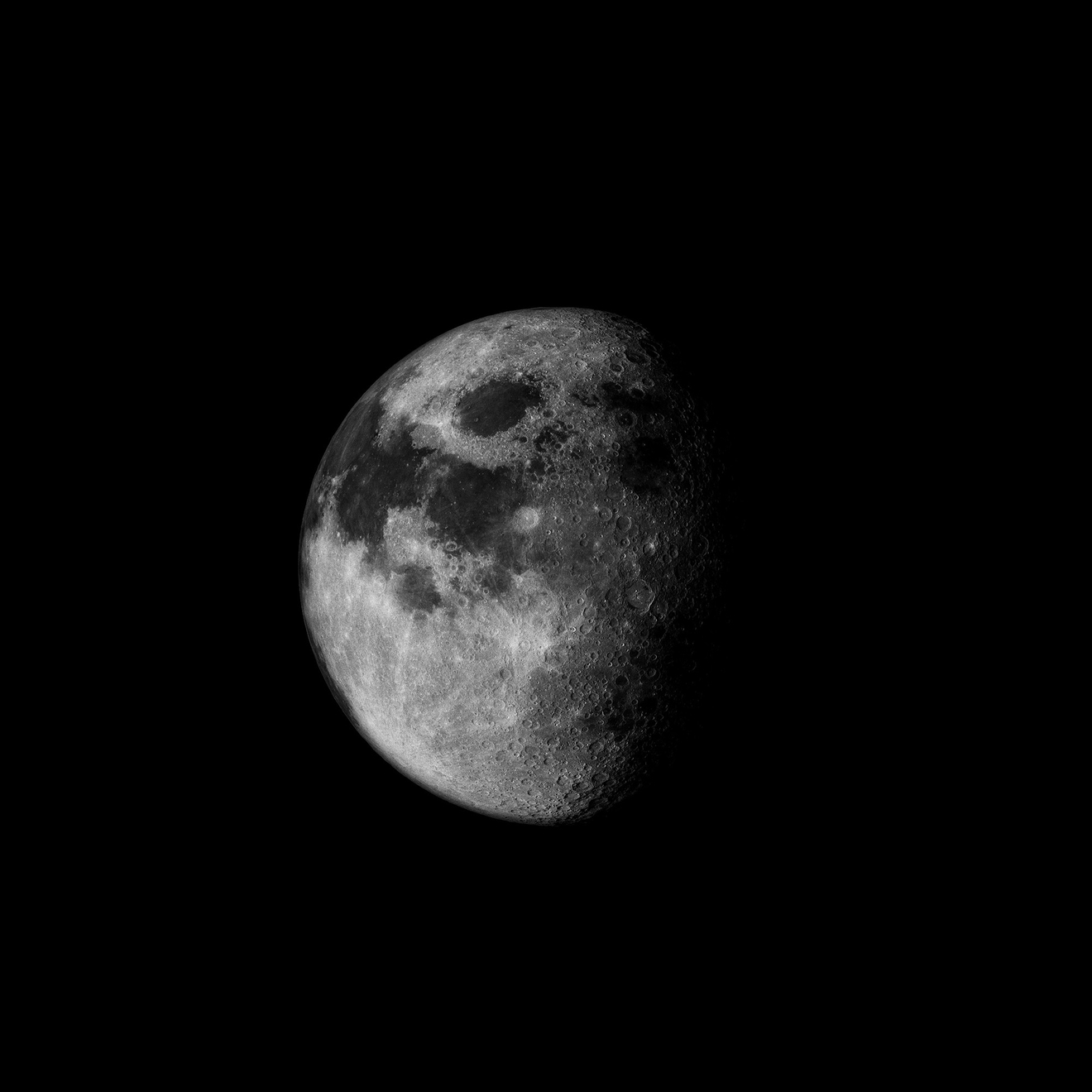
Half-Moon, Homebound;  Attributed to Alfred Worden, Apollo 15, July 26-August 7, 1971, Archival Pigment on Canson Platine Fiber Rag
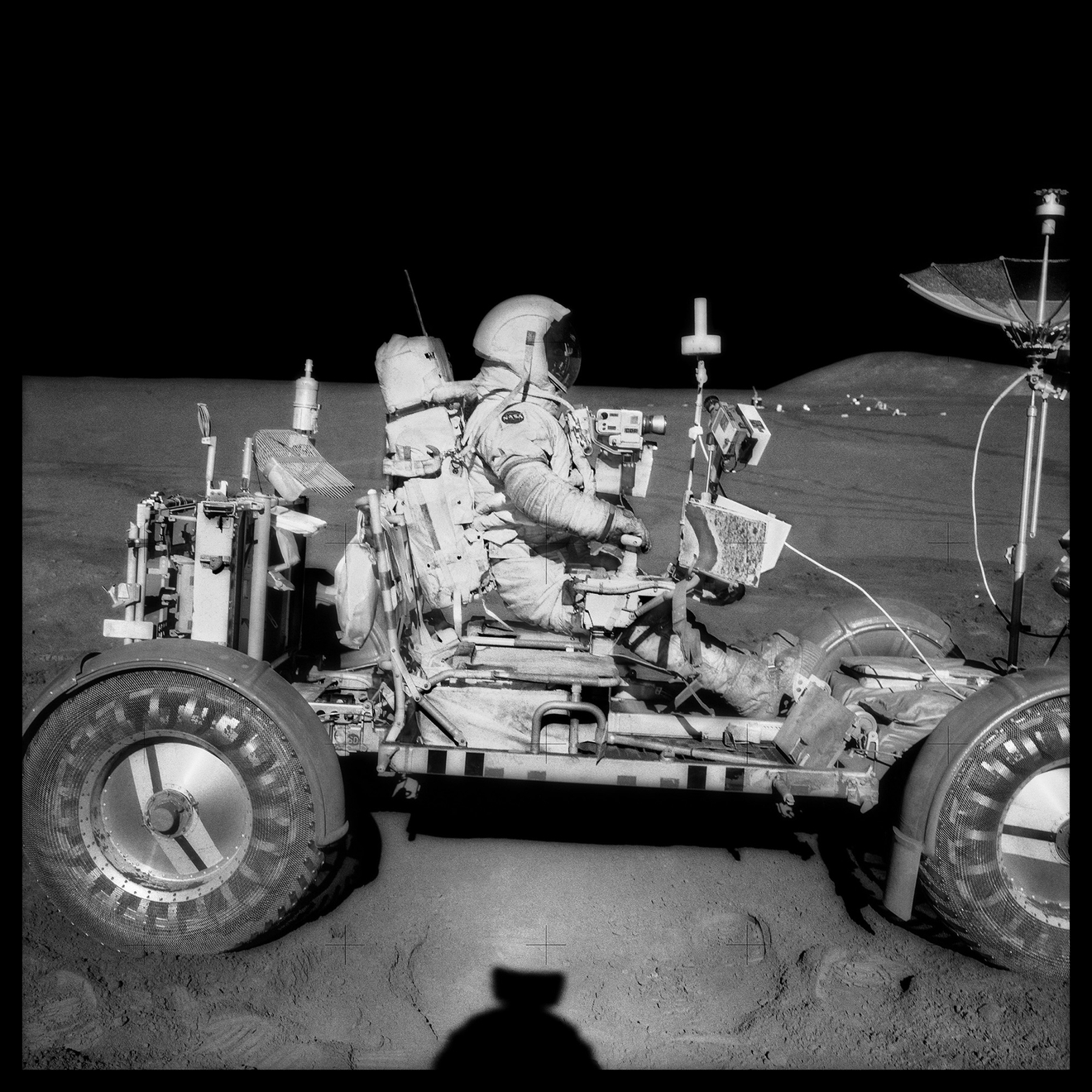
David Scott Drives the First Lunar Rover; Note Aerial Navigation Photographs;, Photographed by James Irwin, Apollo 15, July 26-August 7, 1971
The Moon Seen From 1000 Miles, Showing Farside Highlands;, Photographed by Kenneth Mattingly, Apollo 16, April 16-27, 1972
Composite of David Scott Seen Twice on Hadley Delta Mountain;, Photographed by James Irwin, Apollo 15, July 26-August 7, 1971
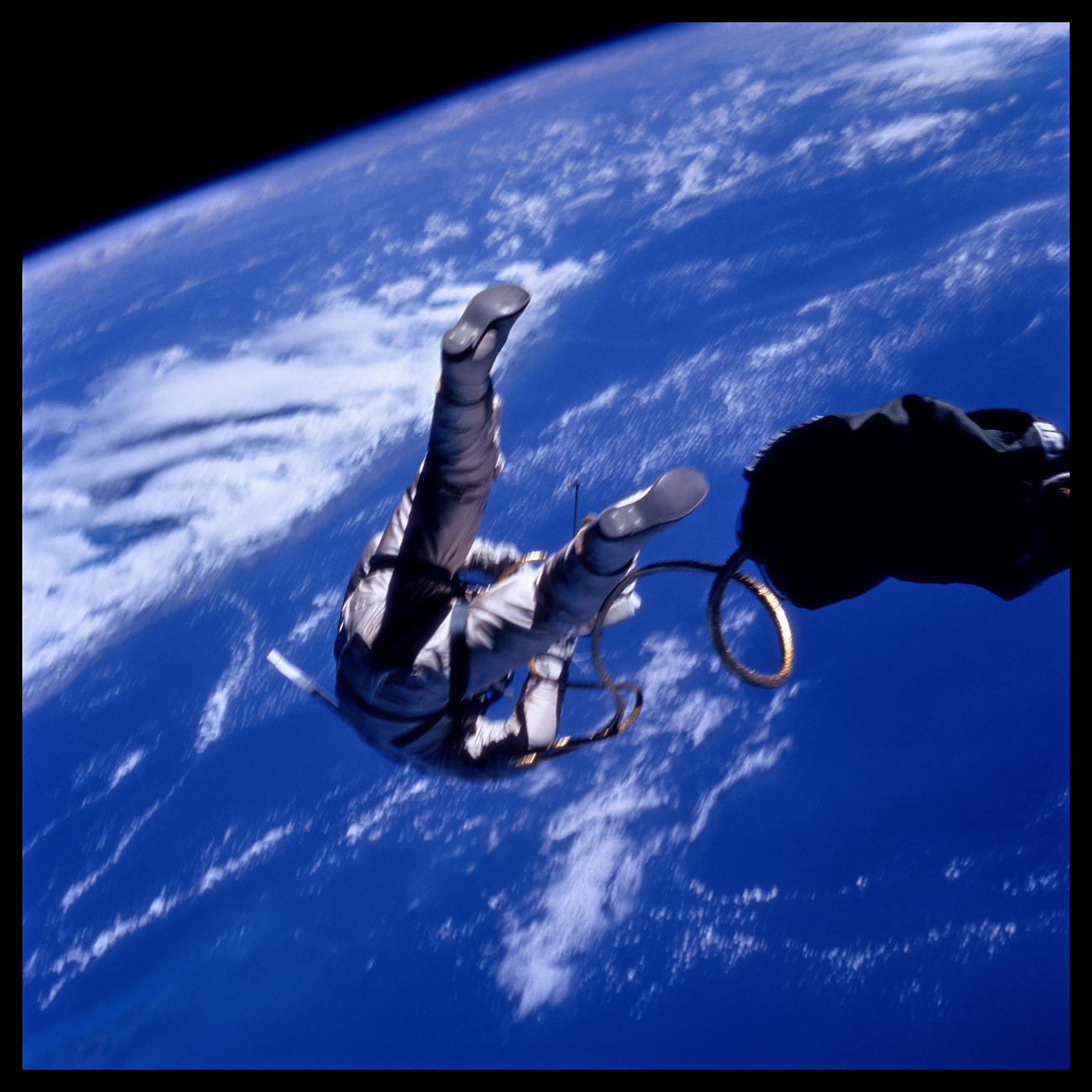
Edward White at 17,500 mph Over the Gulf of Mexico;, Photographed by James McDivitt, Gemini 4, June 3, 1965
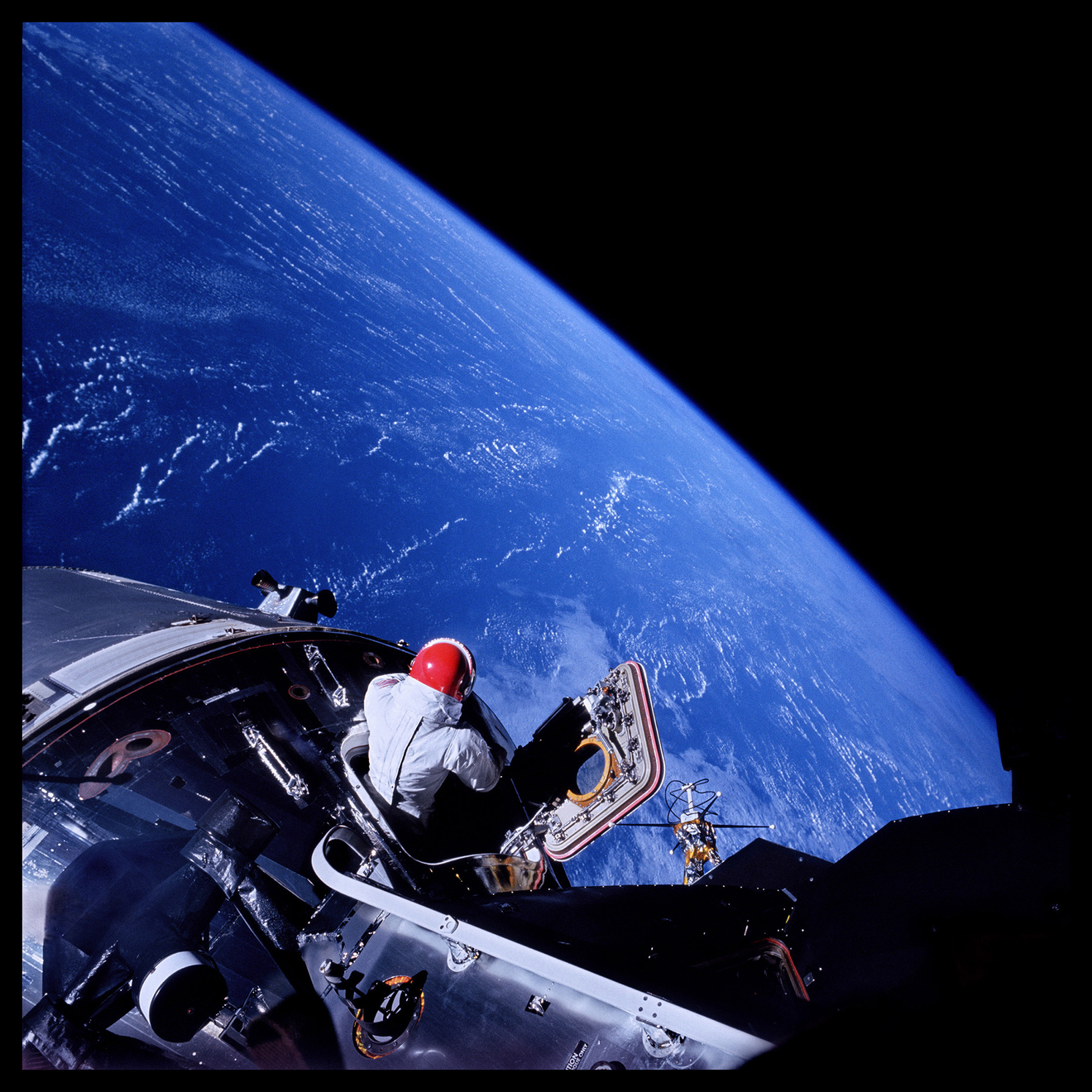
David Scott Floating In the Hatchway of Command Module Gumdrop;, Photographed by Russell Schweickart, Apollo 9, March 3-13, 1969

Press Release

From 1963 – 1972 NASA's Apollo program landed six missions on the moon and yielded a wealth of scientific data as well as 32,000 photographs. From 1995-2000, photographer Michael Light worked with NASA's archives to revisit and reexamine these photographs. Light's project culminated in a book and museum exhibition entitled FULL MOON.  The photographs from that show are now on permanent display at the American Museum of Natural History's Rose Center for Earth and Space in Manhattan. In the years since, FULL MOON has come to be considered the definitive visual statement on the Apollo photographic archive.

As a landscape photographer Michael Light is not only interested in the physical aspects of a place but also spaces where humans seem dwarfed by their natural surroundings, places where they confront powerful natural forces. To him the Moon was perfect subject. For FULL MOON, Light chose 129 of the 32,000 images from NASA's archives and wove them into a narrative that begins with launch and is followed by a walk in space, an orbit of the Moon, lunar landing and exploration, and a return to Earth. He focused on images that had not been seen before and aimed to create the effect of the viewer being in space by including views looking out the spacecrafts' windows and close-ups of the astronauts. He also shows us the sublime grandeur of the Moon itself. Close-up images show its surface details and textures while images shot from above reveal its vastness and mass. Light's selection and arrangement of these images lead the viewer on a thrilling journey to the Moon, and his project is imbued with the same sense of adventure and discovery inherent in the Apollo missions themselves.

Michael Light is a San Francisco-based photographer focused on the environment and how contemporary American culture relates to it. He has exhibited globally, and his work has been collected by the San Francisco Museum of Modern Art, The Getty Research Institute, The Los Angeles County Museum of Art, The New York Public Library, and the Victoria & Albert Museum in London, among many others.

For the last eighteen years, Light has aerially photographed over settled and unsettled areas of American space, pursuing themes of mapping, vertigo, human impact on the land, and various aspects of geologic time and the sublime. A private pilot and Guggenheim Fellow in photography, he is currently working on an extended aerial survey of the arid Western states.

All negatives and transparencies NASA; digital images are © 1999 Michael Light